Why Preventive Dental Care Matters
Many people only schedule a dental appointment when they experience pain, swelling, sensitivity, or a visible problem. However, preventive dental care is designed to identify issues before symptoms appear. Cavities, gum disease, enamel erosion, and even oral cancer can develop gradually without causing immediate discomfort.
According to the Centers for Disease Control and Prevention Oral Health Data, only around 65% of U.S. adults reported visiting a dentist or dental clinic within the previous year. Dental professionals continue to warn that postponing routine appointments can increase the likelihood of more extensive and expensive treatment later.
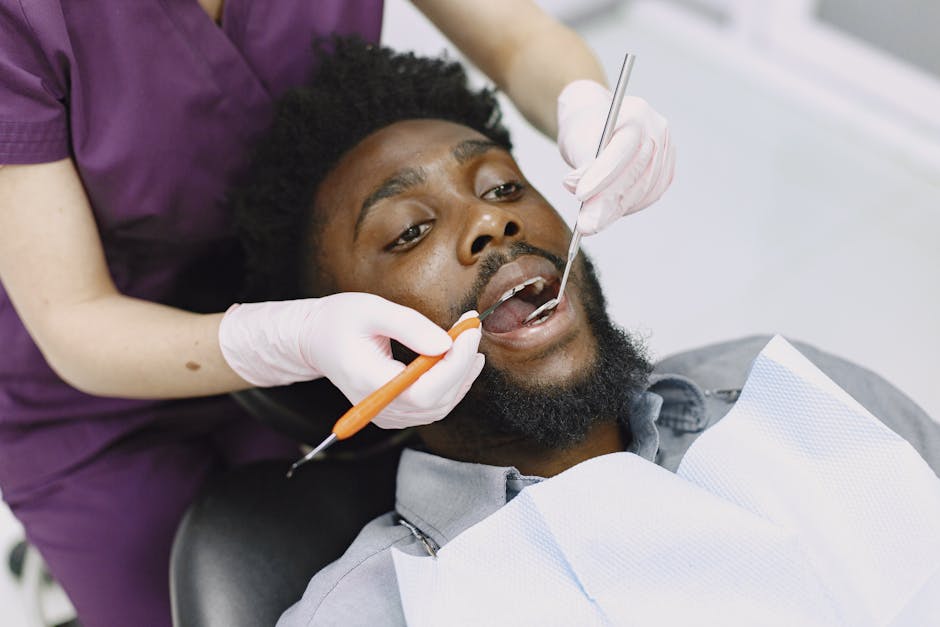
Preventive dentistry focuses on maintaining oral health through regular examinations, professional cleanings, early detection, and consistent at-home care. For most patients, these appointments are one of the simplest ways to reduce long-term dental problems.
How Often Should Most People Visit The Dentist?
The traditional recommendation of visiting the dentist every six months remains appropriate for many patients, although scheduling should ultimately depend on individual oral health needs and risk factors. Why? A regular dental check-in can help identify conditions that patients may not notice on their own, including early-stage cavities, gum disease, and oral cancer.
Oklahoma’s Dr. Drew Endicott observes that most patients in his practice benefit from check-ups every six months, though more frequent appointments are often recommended for individuals with gum disease, heavy tartar buildup, braces, diabetes, dry mouth, or ongoing restorative treatment. These factors can increase the risk of inflammation, decay, and other complications that require closer monitoring.
The key point, according to Dr. Endicott, is that dental scheduling should not follow a one-size-fits-all approach. Preventive care plans are often adjusted according to age, medical history, oral hygiene habits, and lifestyle factors.
Signs You May Need More Frequent Dental Visits
Some patients benefit from scheduling appointments every three to four months rather than waiting six months between visits. Dentists commonly recommend more frequent care for people who experience:
Gum Disease Or Bleeding Gums
Persistent bleeding during brushing or flossing may indicate gingivitis or periodontal disease. Regular cleanings and monitoring help reduce inflammation and prevent disease progression.
Chronic Health Conditions
Conditions such as diabetes can affect oral health by increasing the risk of gum disease and delayed healing. Certain medications may also contribute to dry mouth, which raises cavity risk.
Smoking Or Tobacco Use
Smoking increases the likelihood of gum disease, tooth discoloration, oral cancer, and delayed healing following dental procedures.
Frequent Cavities
Patients with recurring decay may need closer monitoring, fluoride treatments, or adjustments to oral hygiene routines and diet.
Orthodontic Treatment
Braces and aligners create additional areas where plaque and bacteria can accumulate, making routine professional cleanings especially important.
What Happens During A Preventive Dental Appointment?
Preventive visits typically involve much more than a basic cleaning. Appointments may include examinations, digital X-rays, oral cancer screenings, plaque and tartar removal, polishing, and personalized hygiene guidance.
Putting technology at the forefront of dental care, digital imaging allows dentists to identify issues beneath the surface before they become more serious. Similarly, oral cancer screenings are also an important part of preventive care, particularly because early-stage oral cancers may not produce symptoms that the average patient would notice.
Lastly, professional cleanings target tartar buildup that cannot be removed through brushing alone. Even patients with strong home-care routines benefit from periodic cleanings because plaque accumulation can occur in difficult-to-reach areas.
Preventive appointments also give patients the opportunity to discuss changes in sensitivity, jaw discomfort, grinding, or cosmetic concerns before they worsen. It’s as important for the patient to come prepared as the dentist.
Why Delaying Appointments Often Leads To Larger Problems
One of the most common reasons patients postpone dental visits is the absence of pain. Unfortunately, many dental conditions develop silently. Cavities may remain painless until they reach deeper layers of the tooth, while gum disease can progress gradually over several years.
According to TIME’s Dental Care Overview, oral health is more and more being linked to broader health concerns, including cardiovascular disease, diabetes, and chronic inflammation. Early intervention, therefore, benefits more than just the teeth and gums. Minor issues identified during routine visits are generally simpler and less expensive to treat. A small cavity detected early may require only a filling, whereas delayed treatment could eventually result in infection, root canal therapy, or tooth loss.
Missed preventive care can also contribute to dental anxiety. Patients who avoid appointments for years often return only when serious treatment becomes unavoidable, reinforcing fear and stress associated with dental visits. This is a particular problem with children, as the anxiety associated with a dental visit could last a lifetime, creating a greater risk of poor oral health as an adult.
Creating A Preventive Dental Schedule That Works
The most effective preventive care schedules are realistic and consistent. Patients balancing work, school, childcare, and other responsibilities often delay appointments because scheduling feels inconvenient. However, routine visits are usually shorter, less invasive, and easier to manage than emergency dental treatment.
Dentists generally recommend booking the next preventive appointment before leaving the office to maintain consistency and reduce the likelihood of long gaps between visits. Dr. Endicott advises booking far in advance and working with dental reception staff to find times and dates that suit personal schedules.
Preventive dentistry is ultimately about maintaining oral health before problems become disruptive. By following a schedule tailored to individual risk factors and oral health needs, patients can reduce the likelihood of future complications while supporting both dental and overall well-being.
Endicott Dental
2200 W Norfolk Dr
Broken Arrow
OK
74011
United States


