PD-1 Blockade Triggers HBV-Specific B-Cell Responses to Unlock New Combination Immunotherapy Directions for HBV-Associated Hepatocellular Carcinoma
HUSTON, TX, UNITED STATES, September 1, 2026 /EINPresswire.com/ — Cancer Cell (Impact Factor = 56.1), a leading international oncology journal, published landmark research led by Professor Kuang Ming’s team from the Center of Hepato-Pancreato-Biliary Surgery at The First Affiliated Hospital of Sun Yat-sen University. Leveraging Cloud-Clone complement C3a antibody as a critical research tool, the study deciphered a novel anti-tumor immune pathway mediated by HBV-specific B-cells upon PD-1 blockade. It elucidates how anti-HBcAg high-affinity antibodies exert anti-tumor effects via the C1q-dependent complement pathway, delivering solid evidence for PD-1 plus anti-HBc monoclonal antibody combination regimens and advancing both theoretical understanding and potential clinical strategies for HBV-related liver cancer immunotherapy. Integrating phase-II clinical samples, single-cell multi-omics, spatial transcriptomics and in-vivo animal model validation, this work reshapes established perceptions of how anti-PD-1 therapeutics function.
July 2026 saw the online publication of high-impact findings by Professor Kuang Ming’s team in Cancer Cell (IF=56.1). The study first demonstrates that PD-1 blockade activates local tumor-resident HBV-specific B-cell responses, driving production of high-affinity anti-HBcAg antibodies. These antibodies suppress hepatocellular carcinoma progression through the C1q-dependent complement pathway. The findings provide new evidence supporting PD-1 combined with anti-HBc monoclonal antibody regimens and open new avenues for liver cancer immunotherapy.
Challenging Established Knowledge: The “Second Pathway” of Anti-PD-1 Therapeutic Efficacy
Conventional wisdom holds that anti-PD-1 anti-tumor activity is predominantly mediated by activated effector T-cells. This study challenges this long-standing paradigm.
Based on a phase-II clinical trial (NCT04615143) enrolling 17 patients with resectable recurrent hepatocellular carcinoma, the research team applied cutting-edge technologies including single-cell multi-omics, spatial transcriptomics and antibody cloning to systematically characterize the tumor microenvironment following peri-operative anti-PD-1 treatment. Among patients who achieved long-term recurrence-free survival with late recurrence, two distinct immune response subtypes were identified: the T-cell-dominant subtype and the B-cell-dominant subtype.
Notably, B-cell-dominant patients exhibited low levels of T-cell expansion yet marked enrichment of plasma cells and well-matured tertiary lymphoid structures (TLS) within the tumor microenvironment. These structures constitute a complete spatial niche supporting local B-cell activation and antibody affinity maturation. This confirms that beyond the canonical T-cell-dependent pathway, anti-PD-1 therapy can elicit anti-tumor effects through triggering local humoral immune responses.
Mechanistic Insights: Complete Cascade From HBcAg Exposure to Complement Activation
The research further delineates the full molecular cascade of this B-cell-mediated anti-tumor pathway:
Step 1: Aberrant HBcAg exposure. In HBV-associated hepatocellular carcinoma tissues, HBcAg is not only localized in the cytoplasm and nucleus but also actively transported into the extracellular space. Immunoelectron microscopy and immunohistochemistry verify higher HBcAg abundance in tumor tissue compared with matched adjacent non-tumor liver tissue. Extracellular HBcAg provides essential prerequisites for humoral immune recognition.
Step 2: Somatic hypermutation of B-cells within TLS. Spatial paired single-cell BCR sequencing reveals prominent somatic hypermutation (SHM) among B-cell receptors inside tumor TLS from B-cell-dominant patients. The team innovatively developed a spatial phylogenetic tree visualization approach to trace BCR clonal evolution in situ within tissue samples. The data show that 84.3% of mutated BCR clones display substantially enhanced HBcAg-binding capacity, confirming antigen-driven antibody affinity maturation taking place inside TLS.
Step 3: C1q-dependent complement-mediated anti-tumor activity. Recombinantly expressed high-affinity anti-HBcAg antibodies significantly inhibit growth of HBcAg-positive liver tumors in animal models. Such anti-tumor activity is strictly C1q-dependent: anti-HBcAg antibodies completely lose therapeutic potency when using a complement-incompetent IgG1 antibody isotype or when tested in C1q-knockout mice. Moreover, anti-HBcAg antibodies exhibit clear synergistic anti-tumor effects when combined with anti-PD-1 treatment in animal models.
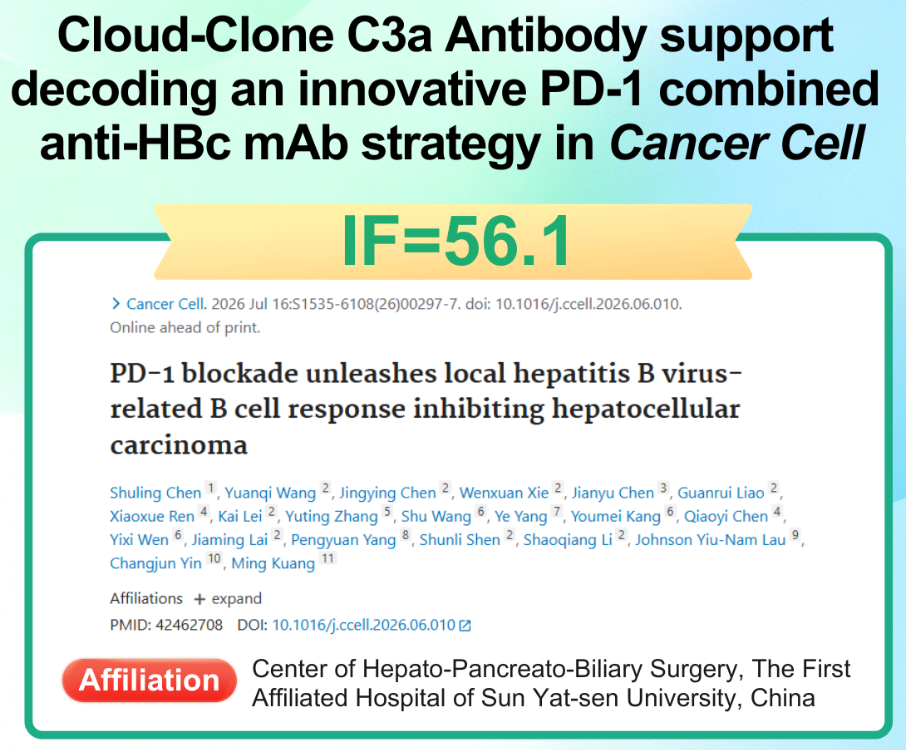
Figure 1. Research publication overview in Cancer Cell.
Cloud-Clone C3a Antibody: A Reliable Tool for Critical Experimental Work
During complement-activation validation experiments in this study, the research team utilized Cloud-Clone Complement Component 3a (C3a) polyclonal antibody (Catalog No.: PAA387Hu01). Immunohistochemistry (IHC) enabled precise detection of C3a deposition within human hepatocellular carcinoma tissues, generating key experimental evidence supporting the core conclusion that anti-HBcAg antibodies mediate anti-tumor functions via the C1q-dependent complement pathway.
A well-established research tool for complement biology studies, Cloud-Clone C3a antibody delivers high specificity and sensitivity. It is compatible with multiple experimental platforms including immunohistochemistry, Western Blot and ELISA, and has contributed to numerous high-impact scientific publications.
Figure 2. Immunohistochemical detection of C3a deposition in human HCC tissues using CloudClone antibody (Cat. No. PAA387Hu01)
Clinical Implications: Novel Therapeutic Paradigm — Harnessing Anti-Viral Immunity Against Tumors
This research carries far-reaching clinical significance:
First, it identifies potential biomarkers for immunotherapy in HBV-associated hepatocellular carcinoma. The team defined an HBV-related B-cell signature gene set. Signature scores are markedly higher in immunotherapy responders versus non-responders, representing a promising candidate biomarker to predict immune checkpoint blockade efficacy.
Second, it establishes a novel therapeutic concept: leveraging anti-viral immunity for tumor control. Anti-PD-1 treatment triggers humoral immunity targeting HBV core antigen rather than conventional neoantigen-specific T-cell responses. This suggests that activating local anti-viral immune responses can serve as an effective anti-tumor strategy for virus-associated malignancies.
Third, it lays theoretical groundwork for combination therapy. Animal model data demonstrate superior anti-tumor efficacy for anti-HBcAg antibody plus anti-PD-1 combination over monotherapy, with favorable safety profiles and no observed viral reactivation. These findings pave the way for clinical translation of PD-1 and anti-HBc monoclonal antibody combination regimens.
Cloud-Clone: One-Stop Solutions for Complement Research
From high-profile publications in Cancer Cell to many other peer-reviewed studies, Cloud-Clone delivers comprehensive, high-quality research reagents for complement-focused investigations:
– High-specificity antibodies: Monoclonal and polyclonal antibodies targeting key complement molecules including C3a, C5a, C4d and membrane attack complex; compatible with IHC, WB and flow cytometry.
– High-purity recombinant proteins: Over 184 complement-related proteins such as C1q, C3, C4, C5, Factor B, Factor H, Factor I, MBL and MASP; optimized for in-vitro complement cascade reconstruction and drug screening.
– High-sensitivity ELISA / CLIA kits: Quantitative detection solutions for nearly all key complement targets, suitable for serum, plasma and cell-culture supernatant samples.
– Multiplex FLIA detection kits: Based on flow-fluorescent assay platforms, enabling simultaneous quantification of C3a, C4a, C1q, C5a, CFH, CFI and other targets. Applications span systemic lupus erythematosus, IgA nephropathy, atherosclerosis and atypical hemolytic uremic syndrome.
– Custom services: Custom development of proteins, antibodies and ELISA assays, gene-knockout plasmid construction, FRET-based high-throughput drug screening. End-to-end technical support from target design to final product delivery.
News Closing Statement Professor Kuang Ming’s study bridges fundamental immunological mechanisms and clinical translation. It not only advances the theoretical framework of PD-1 therapy for HBV-associated hepatocellular carcinoma but also expands research perspectives for complement functions within tumor immunity. This work further demonstrates that high-performance research reagents are indispensable enablers of major scientific breakthroughs. Serving the global research community, Cloud-Clone will keep deepening its expertise in complement research. The company will continue to provide high-quality antibodies, recombinant proteins, detection kits and custom technical services to empower scientists worldwide to solve research challenges and accelerate the translation of basic discoveries into clinical applications. For more information on complement-related research products, please visit Cloud-Clone’s official website: http://www.cloud-clone.com/
About Cloud-Clone Corp.
Cloud-Clone Corp. is dedicated to the development and production of high-quality immunoassay reagents and detection solutions. With a focus on antibody engineering, multiplex assay development, and cross-platform compatibility, the company provides research tools designed to support precision medicine and advanced biomedical investigation globally. Our core products and services include the research and development of proteins, antibodies, ELISA kits, primary cells, and multiplex cytokine assay kits, as well as professional CRO services to fully meet the diverse needs of biomedical research and related fields.
For more information about Cloud-Clone Corp, visit www.cloud-clone.com.
CLOUD-CLONE CORP.(CCC)
Tel: 001-832-538-0970, 0086-27-8425-9552
Email: mail@cloud-clone.com, sales@cloud-clone.us
Visit us on social media:
LinkedIn: https://www.linkedin.com/company/cloud-clone-corp/
Instagram: https://www.instagram.com/cloudclonecorp2023/
TickTok: https://www.tiktok.com/@cloudclonecorp2026
SuKi Duan
CLOUD-CLONE CORP.WUHAN
email us here
Visit us on social media:
LinkedIn
Instagram
TikTok
X
Legal Disclaimer:
EIN Presswire provides this news content “as is” without warranty of any kind. We do not accept any responsibility or liability
for the accuracy, content, images, videos, licenses, completeness, legality, or reliability of the information contained in this
article. If you have any complaints or copyright issues related to this article, kindly contact the author above.

Media gallery