

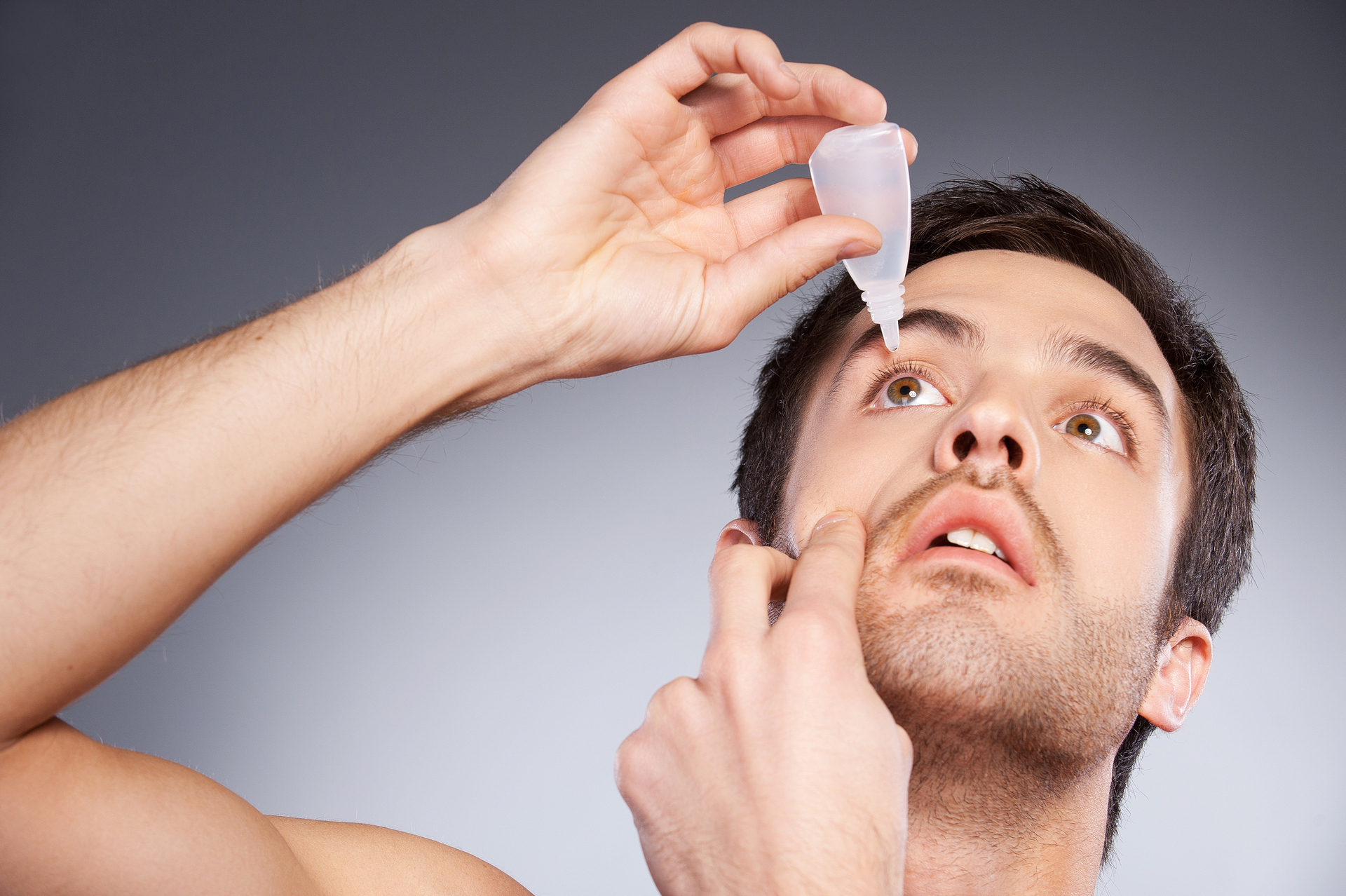
If your eyes feel dry, gritty, or tired by the end of the day, you’ve probably stood in front of a long row of eye drops wondering which one to pick. They can look similar, but their ingredients and purposes vary widely. Even preservative-free dry eye drops from the same product family can differ by a single ingredient designed for a different symptom, so understanding what’s inside the bottle makes choosing much easier.
Start With Your Symptoms
Before comparing products, think about what you’re actually experiencing:
- Dryness or grittiness during screen use, reading, or in heated rooms
- Redness or irritation that keeps coming back
- Itching, especially seasonally
- Discomfort with contact lenses
Optometrist Dr. Jason Morris of mEYEspa notes that when comparing drops, the key question is whether the ingredients target the particular problem affecting your eyes.
Know the Main Types of Eye Drops
- Lubricating drops (artificial tears): These add moisture and support the tear film. They’re the usual starting point for dry eyes. Some are thin and watery, while others are slightly thicker for longer-lasting comfort.
- Gels and ointments: These are thicker and stay on the eye longer. They can blur vision briefly, so many people use them at night.
- Redness-relief (whitening) drops: These shrink blood vessels to make eyes look whiter. They don’t treat dryness, and frequent use can lead to rebound redness.
- Allergy drops: These contain antihistamines for itchy eyes and aren’t designed for dry eye.
Ingredients to Look For
Many lubricating drops share a few common ingredients:
- Hyaluronic acid (sodium hyaluronate): holds moisture and helps lubricate the eye’s surface.
- Trehalose: a naturally occurring sugar that helps protect surface cells from drying stress.
- Carbomer: a thickening agent used in gels to help drops stay on the eye longer.
Some newer formulas add ingredients aimed at specific symptoms. For example, certain drops include NAAGA, a peptide intended to help soothe irritation and redness associated with dry eye. These work gradually, unlike whitening drops.
Multi-use bottles often contain preservatives to stop bacteria from growing. That’s useful, but some preservatives can irritate the eye’s surface, especially with frequent use.
Preservative-free drops avoid that issue. They come in single-use vials or special multi-dose bottles designed to keep the contents clean without preservatives. If you use drops several times a day or wear contact lenses, preservative-free options are often recommended.
Not every drop is suitable for use with contact lenses. Look for drops labelled as contact lens compatible, and follow the instructions on whether to remove your lenses first. Persistent discomfort with lenses deserves a professional check.
Watch the Expiry and Opening Dates
Once opened, many eye drops should be used within a set period, which varies by product. Some preservative-free bottles last up to six months after opening, while others last only three. Check the packaging, write the opening date on the bottle, and replace it when needed. Using drops past that point can increase the risk of contamination.
When to See an Optometrist
Eye drops can help with everyday dryness, and regular eye exams still matter. Book an appointment if you have:
- Eye pain or sensitivity to light
- Changes in your vision
- Redness that doesn’t improve
- Symptoms that persist despite regular use of drops
Redness, in particular, can come from allergies, blepharitis, infection, or contact lens problems, each needing different care. The 2025 TFOS DEWS III report on dry eye management also emphasizes matching treatment to the underlying cause, since no single drop works equally well for everyone.
The Takeaway: Finding the Right Drop
Choosing eye drops for dry eyes starts with your symptoms, then the ingredients and whether the formula is preservative-free. If one product works well, there’s often no reason to switch. And if dryness persists, an optometrist can help you narrow down preservative-free and lubricating dry eye products that suit your needs.
mEYEspa
help@meyespa.com
102-1750 Ernest Ave
London
ON
N6E 3H3
Canada