Key Takeaways
- Modern AC installations must integrate indoor air quality solutions to address both cooling needs and health concerns, as the EPA confirms indoor air can be 2-5 times more polluted than outdoor air.
- HVAC technicians assess your home’s specific IAQ needs during installation, recommending HEPA filtration, UV light technology, and humidity management for complete air quality control.
- Integrated HVAC-IAQ systems provide energy efficiency benefits by optimizing system performance and reducing utility bills through strategic component integration.
When homeowners consider a new air conditioning system, the focus often centers on cooling capacity and energy efficiency. However, forward-thinking HVAC installations now address a critical component that directly impacts family health and comfort: indoor air quality. This integrated approach turns a simple cooling upgrade into a complete home environment solution. Here’s how it works.
Why Modern AC Installation Must Address Indoor Air Quality
The traditional approach to air conditioning installation focused solely on temperature control, treating cooling and air quality as separate concerns. Modern HVAC technology reveals this separation creates missed opportunities for healthier, more efficient homes. Today’s AC systems serve as the foundation for complete air management, controlling not just temperature but humidity levels, airborne particles, and circulation patterns that directly impact indoor environments.
Contemporary cooling systems integrate seamlessly with advanced filtration, UV sterilization, and ventilation components during the installation process. This integration proves more cost-effective than retrofitting individual components later, while ensuring optimal performance from each system element. Professional HVAC technicians design these integrated systems to work together, maximizing both cooling efficiency and air purification capabilities.
The Hidden Health Risks of Poor Indoor Air Quality
1. Respiratory Issues and Allergy Triggers
Poor indoor air quality triggers a cascade of health problems that many homeowners don’t immediately connect to their HVAC systems. Dust mites, pet dander, pollen, and volatile organic compounds accumulate in homes without proper filtration, causing persistent respiratory irritation. These microscopic particles circulate continuously through standard air conditioning systems, concentrating in living spaces where families spend most of their time.
Asthma sufferers experience particular challenges with unfiltered air circulation. Standard AC systems can actually worsen symptoms by redistributing allergens throughout the home. Professional installations that incorporate high-efficiency filtration reduce these triggers significantly, creating breathing environments that support rather than compromise respiratory health.
2. EPA Statistics: Indoor Air is 2-5 Times More Polluted
The Environmental Protection Agency’s research reveals a startling reality: indoor air frequently contains 2 to 5 times more pollutants than outdoor air. This concentration occurs because modern homes trap contaminants without adequate filtration or ventilation. Cooking fumes, cleaning products, building materials, and everyday activities release particles and chemicals that accumulate over time.
Traditional air conditioning systems circulate this contaminated air without addressing the underlying pollution sources. Integrated IAQ solutions during AC installation capture these pollutants at the source, preventing them from building up to dangerous concentrations. This proactive approach addresses the root cause rather than simply moving contaminated air around the home.
3. Impact on Energy Costs and System Strain
Dirty air does far more than affect health – it also forces HVAC systems to work harder and consume more energy. Clogged filters, dusty coils, and restricted airflow increase system resistance, causing motors and compressors to strain against unnecessary obstacles. This extra work translates directly into higher utility bills and accelerated component wear.
Systems operating in poor air quality environments require more frequent repairs and replacement cycles. Dust accumulation on heat exchangers reduces thermal efficiency, while particle buildup in ductwork restricts airflow. Integrated IAQ solutions protect the investment in new cooling equipment by maintaining clean operating conditions from day one.
How HVAC Technicians Assess Your Home’s IAQ Needs
Complete Air Quality Evaluation Including Individual Zones
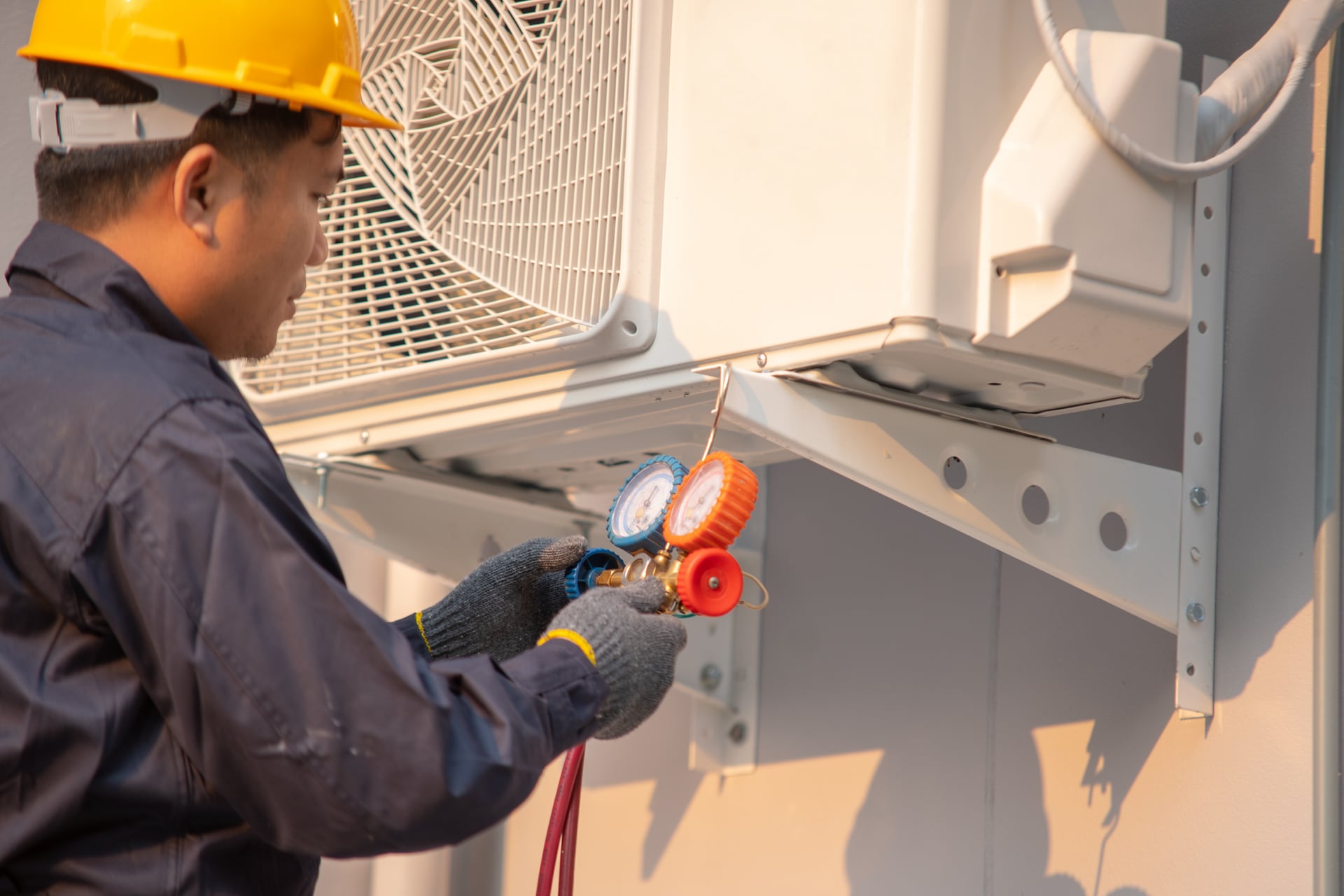
Experts from Engle Services, who serve Pell City and the surrounding communities in Alabama, explain that professional HVAC technicians begin IAQ assessment by analyzing air circulation patterns throughout the entire home. This evaluation identifies problem areas where stagnant air allows pollutants to concentrate, such as basements, master bedrooms, or rooms with limited natural ventilation. Each zone receives individual attention to determine specific filtration and circulation requirements.
System Sizing for Optimal Humidity Control
Proper AC sizing plays a critical role in maintaining healthy humidity levels throughout the home. Oversized systems cool spaces too quickly without adequate dehumidification, creating conditions that encourage mold growth and dust mite proliferation. Undersized systems struggle to remove humidity during peak conditions, leaving homes feeling sticky and uncomfortable despite adequate cooling.
Professional technicians calculate cooling loads that account for both temperature and humidity control requirements. This calculation considers local climate patterns, home construction details, insulation levels, and occupancy patterns. The result ensures new AC systems provide consistent humidity control that supports both comfort and indoor air quality goals.
Identifying Pollution Sources and Airflow Issues
Effective IAQ solutions require identifying specific pollution sources within each home environment. Common sources include pet areas, laundry rooms, garages, and kitchens, where cooking activities release particles and odors. Technicians also examine building materials, furniture, and household products that emit volatile organic compounds into indoor air.
Airflow analysis reveals how pollutants move through the home and where they tend to accumulate. Poor ductwork design, inadequate return air pathways, and pressure imbalances can create dead zones where contaminants concentrate. Professional assessment identifies these issues during the planning phase, allowing integrated solutions to address circulation problems alongside filtration needs.
Key IAQ Components During AC Installation
1. HEPA Filtration Systems (99.97% Particle Capture)
High-Efficiency Particulate Air (HEPA) filtration represents the gold standard for removing airborne particles from home environments. These advanced filters capture 99.97% of particles measuring 0.3 microns or larger, including dust, pollen, pet dander, and many bacteria. Integration during AC installation ensures proper sizing and airflow design to accommodate HEPA filter resistance without compromising system performance.
2. UV Light Technology for Mold and Bacteria Control
Ultraviolet germicidal irradiation provides continuous sterilization of air passing through the HVAC system. UV lights installed in ductwork or air handlers destroy mold spores, bacteria, and viruses that escape even high-efficiency filters. This technology is particularly valuable in humid climates where biological contaminants thrive in cooling system components.
3. Humidity Management Solutions
Integrated humidity control goes beyond basic dehumidification to maintain optimal moisture levels year-round. Whole-home dehumidification systems work independently of cooling cycles, removing excess moisture even during mild weather when air conditioning doesn’t operate frequently. This independent operation prevents the humidity spikes that encourage mold growth and dust mite populations.
4. Advanced Ventilation Integration
Modern IAQ solutions incorporate controlled ventilation that brings fresh outdoor air into the home while exhausting stale indoor air. Energy recovery ventilators (ERVs) and heat recovery ventilators (HRVs) accomplish this exchange while minimizing energy loss. These systems pre-condition incoming air using energy from outgoing air, maintaining efficiency while ensuring adequate fresh air circulation.
Energy Efficiency Benefits of Integrated HVAC-IAQ Systems
Reduced System Load Through Optimized Performance
Integrated IAQ components work together to reduce the overall load on cooling systems. Clean air filters and ducts allow optimal airflow, reducing fan energy consumption and improving heat transfer efficiency. UV light systems keep cooling coils clean, maintaining peak thermal performance throughout the operating season. This coordinated operation prevents the gradual efficiency decline that affects systems operating in contaminated environments.
Humidity control integration reduces the cooling load by maintaining optimal moisture levels that feel comfortable at higher thermostat settings. When humidity stays in the ideal range, families can set thermostats 2-3 degrees higher while maintaining the same comfort level. This adjustment translates into significant energy savings during peak cooling seasons without sacrificing indoor comfort.
Lower Utility Bills from Strategic Component Integration
Strategic integration during installation achieves energy savings that individual components cannot provide separately. Smart controls coordinate all system components to operate at peak efficiency, running ventilation fans only when needed and adjusting filtration based on actual air quality conditions. This intelligent operation minimizes energy waste while maximizing air quality benefits.
The initial investment in integrated systems pays dividends through reduced operating costs and extended equipment life. Clean operating conditions reduce maintenance requirements and prevent premature component failure. Systems operating in optimal air quality environments typically exceed manufacturer lifespan estimates while maintaining peak efficiency throughout their service life.
Long-Term Maintenance for Sustained Air Quality Benefits
Filter Replacement and Duct Cleaning Schedules
Sustained IAQ benefits require consistent maintenance schedules tailored to each system’s specific components. HEPA filters typically require replacement every 6-12 months depending on household conditions and usage patterns. UV lamps need annual replacement to maintain sterilization effectiveness, while standard filters may require more frequent attention in homes with pets or high dust levels.
Professional duct cleaning becomes part of the long-term maintenance strategy, typically scheduled every 3-5 years depending on system usage and environmental conditions. Clean ductwork ensures optimal airflow and prevents the accumulation of contaminants that can overwhelm filtration systems. Regular cleaning also provides opportunities to inspect and maintain other IAQ components that may not be easily accessible during routine service calls.
Professional Tune-Ups to Maintain IAQ Components
Integrated IAQ systems benefit from professional tune-ups that address both cooling and air quality components during single service visits. These inspections ensure all components work together effectively, identifying potential issues before they compromise system performance. Professional technicians can adjust controls, test sensors, and calibrate equipment to maintain optimal operation.
Regular professional maintenance includes testing the actual air quality to verify system effectiveness. This testing provides objective data about indoor air conditions and confirms that all IAQ components continue providing the designed benefits. Professional documentation creates maintenance histories that guide future service decisions and warranty compliance.
Partner with HVAC Professionals for Complete HVAC-IAQ Solutions
The integration of air conditioning and indoor air quality systems represents a fundamental shift toward healthier, more efficient homes. This approach addresses multiple concerns simultaneously, providing solutions that work together rather than competing for resources or attention. Professional installation ensures optimal performance from day one while establishing the foundation for years of improved indoor environments.
Successful integration requires expertise in both cooling technology and air quality science. The investment in professional design and installation pays dividends through improved health outcomes, lower operating costs, and improved home comfort. Families who choose integrated solutions enjoy the peace of mind that comes from knowing their home environment supports (rather than compromises) their well-being.
Engle Services
40300 U.S. 280
Sylacauga
AL
35150
United States


