Identifying Moisture, Mold, and Structural Issues for Effective Crawlspace Moisture Control
Wyoming, United States – May 19, 2026 / Everdry Waterproofing of Greater Grand Rapids /
Crawlspace encapsulation is an essential measure for homeowners to protect properties from moisture-related damage. This article identifies the signs that indicate encapsulation is necessary, with emphasis on moisture indicators, structural symptoms, and associated health risks. Excess moisture can foster mold growth and undermine structural integrity if left unaddressed. Early recognition of these signs enables proactive measures to maintain safety, indoor air quality, and energy efficiency. The discussion also covers encapsulation benefits, including reduced energy consumption and improved indoor air quality.
Signs that indicate the need for crawlspace encapsulation include the following:
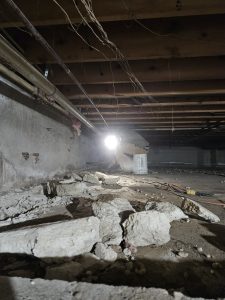 Recognizing indicators that a crawlspace requires encapsulation is necessary to maintain a healthy home. Signs range from visible moisture and degraded materials to structural movement and mold-related health concerns. Early detection limits escalation and reduces repair costs.
Moisture Indicators:
Moisture in a crawlspace can cause rapid deterioration if not remedied. Common indicators include the following.
- Visible Mold or Mildew : The appearance of mold or mildew on surfaces indicates excessive moisture levels, which can lead to health issues.
- Condensation on Walls : If you notice condensation forming on the walls of your crawlspace, it suggests high humidity levels that can promote mold growth.
- Wet Insulation : Insulation that feels damp or is visibly wet is a clear sign of moisture intrusion, which can compromise its effectiveness and lead to further issues.
These signs help determine whether encapsulation is required to protect the home and its occupants.
Practical inspection tips: When accessing a crawl space, bring a flashlight and wear protective gear. Look along foundation walls, under floor joists, and around plumbing penetrations. Note any dark staining, peeling paint, or areas where wood is soft to the touch—these commonly accompany moisture problems. Photograph observations and keep a dated log to track worsening conditions over time.
Structural Damage Symptoms:
Persistent moisture may produce structural symptoms that jeopardize a home’s integrity. Key warning signs include the following.
- Sagging Floors : If you notice uneven or sagging floors, it may indicate that the foundation is compromised due to moisture damage.
- Cracks in Drywall : Cracks appearing in your drywall can signal structural issues stemming from moisture-related problems in the crawlspace.
- Difficulty Opening Doors : If doors are sticking or difficult to open, it may be a sign of shifting foundations caused by moisture damage.
Prompt remediation of structural symptoms reduces the risk of extensive repairs and improves occupant safety.
When evaluating structural signs, consider both the pattern and rate of change. Small hairline cracks that appear gradually across different areas may indicate settling, while sudden or widening cracks, multiple doors that suddenly bind, or a cluster of sagging spots in a floor warrant immediate professional assessment. Combining encapsulation with foundation repair or support can be necessary when structural movement is active.
Health Risks:
Moisture and mold in crawlspaces present measurable health risks to occupants. Typical implications include the following.
- Respiratory Issues : Mold spores can trigger respiratory problems, especially in individuals with asthma or allergies.
- Allergies : Exposure to mold can lead to allergic reactions, causing symptoms such as sneezing, itching, and skin rashes.
- Pest Infestations : Moist environments attract pests, which can introduce additional health risks and damage to your home.
Awareness of these risks underscores the need to address crawlspace moisture promptly.
Beyond immediate symptoms, prolonged exposure to damp conditions and mold can worsen indoor air quality in living spaces above the crawlspace. Many homes experience a subtle transfer of damp air and contaminants from crawlspaces through floor penetrations, ducts or differential pressure when the home is heated or cooled. Addressing the source—the crawlspace environment— helps reduce the long-term burden on family health and household cleaning needs.
What Are the Common Signs of Crawlspace Damage Indicating Encapsulation? Is needed?
Typical indicators that encapsulation is necessary include visible moisture, mold or mildew, and sustained high humidity levels. Regular monitoring and timely intervention help prevent worsening damage and health impacts.
Other signs to add to a homeowner’s checklist: persistent musty odors on lower levels, unexplained increases in utility bills (which can indicate heat loss through damp insulation and joists), and evidence of insect or rodent activity where nesting materials are found in dark, moist corners. Documenting these signs supports an informed conversation with an encapsulation contractor and helps prioritize immediate remediation measures.
How Does Excess Moisture Manifest in Crawlspaces and Affect Home Integrity?
Excess moisture in crawlspaces typically manifests as mold growth, structural damage, and, over time, reduced property value. Mold can spread quickly in damp conditions, creating health risks and generating costly repair needs. Moisture can also degrade structural components, producing long-term damage and lowering property value.
The structural impact is cumulative: repeated wet/dry cycles accelerate timber decay, corrode metal fasteners, and reduce the thermal performance of insulation. This leads to increased heating and cooling demands and can make living spaces less comfortable. Addressing moisture early prevents the progressive deterioration that ultimately requires invasive repairs.
What Visible Indicators Suggest Mold Growth and Poor Air Quality in Crawlspaces?
Visible indicators of mold growth and poor air quality in crawl spaces include the following:
- Visible Mold : The presence of mold on surfaces is a clear sign of moisture issues.
- Condensation : Excessive condensation can indicate high humidity levels, promoting mold growth.
- Foul Smells : Unpleasant odors often accompany mold growth, signaling poor air quality.
These observations warrant timely intervention to improve air quality and mitigate health risks.
To confirm the extent of contamination and airborne impact, professionals may perform targeted air or surface sampling. However, clear visual evidence and persistent symptoms in the home often drive the decision to remediate. Prioritize visible signs and the lived experience of occupants when deciding on encapsulation and remediation.
What Health Risks Are Associated with Mold and Moisture in Crawlspaces?
Health risks associated with crawlspace mold and moisture include respiratory issues, infections, and toxic exposure. Mold can emit allergens and irritants that degrade indoor air quality and affect occupants’ health.
Studies document the role of crawlspace moisture control in preventing mold growth and limiting the transport of indoor pollutants.
Crawlspace Moisture Control: Preventing Mold & Indoor Pollutants
ABSTRACT: Crawlspace foundations are commonly used in buildings and detached houses in northern climates. Relative humidity of the air in crawlspaces is the primary factor affecting mold growth on structural materials. Contamination present in the crawl space may be transported indoors if indoor pressure is lower. The study aimed to identify key properties of ground covers and to determine optimal air change rates for controlling moisture conditions in an outdoor-air-ventilated crawlspace in a cold climate, and to assess the acceptability of current moisture conditions with respect to material durability. The research also examined factors influencing the transport of potential pollutants from crawlspaces into occupied spaces.
Moisture and fungal spore transport in outdoor air-ventilated crawlspaces in a cold climate, M Airaksinen, 2003
How Does Encapsulation Help Mitigate Mold and Improve Indoor Air Quality?
Encapsulation mitigates mold by controlling humidity and preventing moisture intrusion. Sealing the crawlspace establishes a drier environment that reduces mold growth and contributes to improved indoor air quality.
A properly executed encapsulation strategy converts a damp, partially ventilated cavity into a controlled, dry space. The combined effect of continuous barriers, sealed seams, and managed ventilation reduces the sources and pathways by which moist soil gas and contaminated air enter the home. In many cases this directly reduces household dust, musty odors, and the frequency of visible mold episodes in living areas.
What Are the Key Benefits of Crawlspace Waterproofing and Encapsulation for Homeowners?
 Crawlspace waterproofing and encapsulation provide homeowners with multiple benefits, including:
- Moisture Control: Effective encapsulation prevents moisture intrusion, protecting the home from water damage.
- Mold Prevention: By reducing humidity levels, encapsulation helps prevent mold growth and associated health risks.
- Healthier Living Environment: Improved air quality contributes to a healthier home environment for occupants.
These outcomes demonstrate why encapsulation is a proactive component of routine home maintenance.
Additional homeowner benefits include improved access for pest control and reduced corrosion of mechanical systems located within or near the crawlspace. Encapsulation also simplifies future inspections and can prolong the life of joists, beams, and subfloor materials by keeping them dry and stable.
What Role Do Vapor Barriers and Ventilation Systems Play in Enhancing Encapsulation Effectiveness?
Vapor barriers and ventilation systems are integral to an effective encapsulation strategy. Vapor barriers block ground moisture from entering the crawlspace, while controlled ventilation helps regulate humidity. Together, these components provide a coordinated approach to moisture control that protects the home.
Good practice includes sealing seams and edges of the vapor barrier, fastening material to perimeter walls and columns, and integrating drainage and sump systems where needed. Ventilation should be managed to avoid introducing humid outdoor air at times it will condense; controlled mechanical solutions often outperform passive vents in homes with moisture problems.
How Is the Vapor Barrier Installed and What Are Its Specifications?
Installers cover the entire crawl space floor and walls with a durable, moisture-resistant material. Typical specifications call for a minimum thickness of 6 mils to provide effective moisture control.
Beyond thickness, effective installation requires overlapping seams, durable seam tape and sealing around piers, posts and other penetrations. The vapor barrier should be anchored or sealed to the foundation walls and continuous from the ground to at least several inches up the wall when specified. This continuity is crucial to prevent moisture-laden soil air from bypassing the barrier and reaching the interior volume.
 How does the E-Z Breathe ventilation system integrate with encapsulation solutions?
The E-Z Breathe ventilation system provides continuous air exchange to help maintain target humidity levels. It operates in conjunction with vapor barriers to support a dry and healthy crawl space environment.
Integration considerations usually include placing the ventilation unit so it exchanges air evenly across the space, coordinating controls with other mechanical systems, and making sure intake and exhaust paths are sealed from soil gas sources. Properly integrated, these systems reduce stagnant air pockets and help maintain a consistent, dry environment that complements the installed barrier.
What Signs Indicate Foundation Cracks That Require StablWall Repair Services?
Indicators that may warrant StablWall repair services include the following:
- Cracks in Walls : Visible cracks in interior or exterior walls can signal foundation issues.
- Uneven Floors : Floors that slope or are uneven may indicate structural problems.
- Moisture Issues : Persistent moisture in the crawl space can exacerbate foundation damage.
Prompt attention to these indicators can prevent more extensive structural damage.
When assessing cracks, note their location, width, and whether they are horizontal, vertical, or stair-step in pattern. Horizontal cracks or sudden shifting is more likely to indicate active soil or lateral pressure problems and often requires specialist intervention. Document changes over time and consult a qualified contractor to determine whether repair systems such as wall anchors, piers, or internal reinforcements are appropriate.
How Can Homeowners Address Minor Repairs and Prevent Moisture Recurrence?
To address minor repairs and reduce the recurrence of moisture, homeowners should:
- Regular Inspections : Conducting routine checks for signs of damage or moisture.
- Repairing Leaks : Promptly fixing any leaks in plumbing or drainage systems.
- Improving Ventilation : Ensuring proper ventilation in the crawl space to reduce humidity levels.
These proactive measures help protect crawl spaces from recurring moisture issues.
For small punctures or loose tape seams, carefully clean the area and apply approved seam tape or patch materials specified for encapsulation systems. Replace damaged sections of barrier when repair is not feasible. If pests are present, combine exclusion measures with barrier repairs to prevent recurring damage.
To protect your home, consider basement waterproofing services.
If unsure whether you require crawl space encapsulation, consult professionals in your local service area.
Additionally, implement effective mold prevention strategies to maintain a healthy living environment.
Making an informed decision means documenting observed signs, obtaining professional inspections when in doubt, and selecting materials and systems that match the specific conditions of your crawl space. With the right approach, encapsulation provides durable protection, improves comfort, and reduces the ongoing costs associated with moisture-related damage.
Frequently Asked Questions
What is the average cost of crawl space encapsulation?
The average cost of crawl space encapsulation varies with factors such as crawl space size, material selection and installation complexity. Homeowners can expect to pay between $5,000 and $15,000 for a complete encapsulation project. Although the initial expenditure may be substantial, many homeowners realize long-term savings on energy and repair costs that justify the investment.
How long does the crawl space encapsulation process take?
The encapsulation process typically requires one to three days, depending on crawl space size and the scope of work. The procedure includes inspection, cleaning, vapor barrier installation, and ventilation integration. Consult a professional to obtain a precise timeline for your specific circumstances.
Can I encapsulate my crawl space myself, or should I hire a professional?
While some homeowners attempt DIY encapsulation, professional installation is generally recommended to ensure correct performance. Professionals possess the necessary expertise, tools, and materials to achieve proper sealing and code compliance. They can also detect underlying issues that an untrained observer may miss.
DIY approaches may be suitable for small, straightforward spaces with no existing contamination or structural issues, but homeowners should recognize the limitations: correctly sealing seams, integrating ventilation, and identifying hidden moisture sources often require professional experience. When in doubt, obtain at least one professional assessment before proceeding with a DIY project.
What maintenance is required after crawl space encapsulation?
After encapsulation, routine maintenance is essential. Conduct regular inspections for moisture, mold or structural concerns. Monitor humidity with a hygrometer and schedule professional assessments annually to identify issues early. Maintaining cleanliness and adequate ventilation supports long-term system performance.
Replace or service any mechanical ventilation components according to manufacturer recommendations and ensure that sump pumps or drainage systems are tested before wet seasons. Keeping a simple maintenance log with dates and notes helps track performance and provides useful documentation if warranty service is needed.
Are there any health benefits associated with crawl space encapsulation?
Yes. By controlling moisture and limiting mold growth, encapsulation improves indoor air quality and reduces the incidence of respiratory issues and allergies among occupants. A dry, well-ventilated crawl space also reduces the likelihood of pest infestations. Overall, encapsulation contributes to a healthier living environment.
Many occupants report reduced musty odors and fewer allergy flare-ups after proper encapsulation and remediation. While encapsulation is not a solution for unrelated indoor air quality problems, it removes a common and preventable source of dampness and biological growth that can affect the whole home.


Contact Information:
Everdry Waterproofing of Greater Grand Rapids
5273 Division Ave S
Wyoming, MI 49548
United States
Rob VanSuilichem
(616) 406-0808
https://www.everdrygrandrapids.com