Philippine solar operator identifies six categories of electrical loss that
standard audits do not measure and that solar installations alone do
not resolve.
how much you are losing on the way from the meter to the machine.
Those are different questions with different answers.”
MANILA, MANILA, PHILIPPINES, June 30, 2026 /EINPresswire.com/ — Solaren Renewable Energy Solutions Corporation has identified six categories of electrical loss that
accumulate inside commercial and industrial facilities under normal operating conditions, none of which
appear in standard energy audits and none of which are resolved by conventional grid-tied solar
installations. The analysis, covered by AZ Big Media as part of reporting on commercial energy management
practices, draws on Solaren's operational experience across its Philippine installation base of more
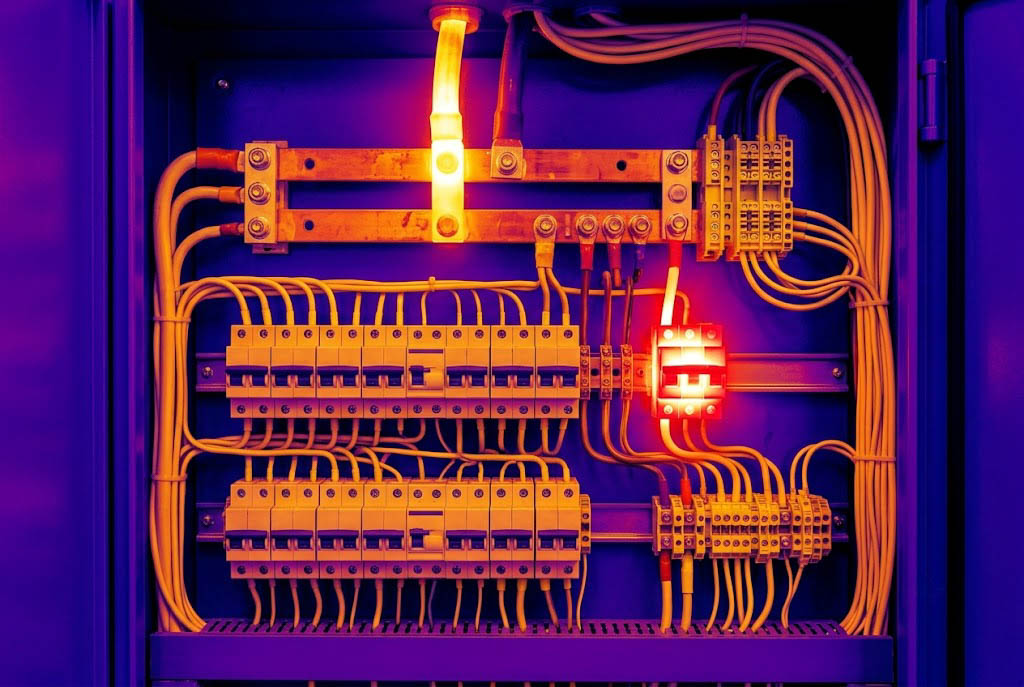
than 85 megawatts across 2,500 commercial and industrial sites.The six loss categories Solaren identifies are: resistive losses in undersized or aged distribution wiring, which convert electrical energy into heat before it reaches useful loads; reactive power losses from
inductive loads operating without power factor correction, which inflate current draw and billing without
delivering productive work; harmonic losses generated by non-linear electronic equipment, which cause
additional heating in transformers and neutral conductors; transformation losses in oversized or lightly
loaded transformers operating below their efficiency optimum; protection and switching losses from
equipment operating outside rated conditions due to voltage instability; and monitoring gaps that allow
underperforming loads and equipment to continue operating invisibly outside optimal ranges.
Standard energy audits measure what facilities consume, not how efficiently they convert supply into
productive output. An audit that captures monthly kilowatt-hour figures and identifies obvious over-lit
spaces or inefficient HVAC equipment addresses consumption. It does not address conversion
efficiency. https://solaren-power.com/commercial-solar-energy-systems-grid-output/ . Solar installations share the same blind spot. A facility can generate solar energy, reduce its grid draw,
and continue losing a portion of every kilowatt-hour it consumes to the same mechanisms as before.
Solaren's approach for industrial clients involves power quality logging before system design, so that
the solar system specification can account for the operating conditions it will integrate into rather than
assume ideal conditions. This does not always result in additional cost: correct inverter selection and
protection specification for a site with known voltage characteristics often costs the same as a generic
specification and performs significantly better over the system's operating life.
Solaren Renewable Energy Solutions Corporation is a DOE-accredited, PCAB-licensed solar EPC
company headquartered in Tarlac, Philippines, with over 85 megawatts installed across 2,500
commercial and industrial projects. Clients include Toyota, Oishi, McDonald's, and Dunkin'. The
company holds the Asian Power Award for Solar Power Project of the Year.
https://azbigmedia.com/business/arizona-energy-industry/the-real-electrical-losses-hiding-inside-
everyday-business-power/
Neil Hamilton Pearce
Solaren Renewable Energy Solutions Corp.
+63 917 879 6037
email us here
Visit us on social media:
LinkedIn
Instagram
Facebook
YouTube
X
Legal Disclaimer:
EIN Presswire provides this news content “as is” without warranty of any kind. We do not accept any responsibility or liability
for the accuracy, content, images, videos, licenses, completeness, legality, or reliability of the information contained in this
article. If you have any complaints or copyright issues related to this article, kindly contact the author above.

Media gallery