Targeted Allergy Management: Personalized Solutions for Seasonal Relief
Clemson, United States – March 18, 2026 / Clemson Apothecare /
As the spring season approaches, many individuals find themselves grappling with seasonal allergies, which can significantly impact their quality of life. This article delves into effective strategies for managing these allergies, focusing on customized solutions that cater to individual needs. Readers will learn about common symptoms, allergens, and the benefits of personalized treatments, including how compounding pharmacies can play a crucial role in providing tailored allergy relief. By understanding the mechanisms behind seasonal allergies and exploring various management options, individuals can take proactive steps to alleviate their symptoms and enhance their well-being.
What Are the Common Symptoms of Seasonal Allergies in Spring?
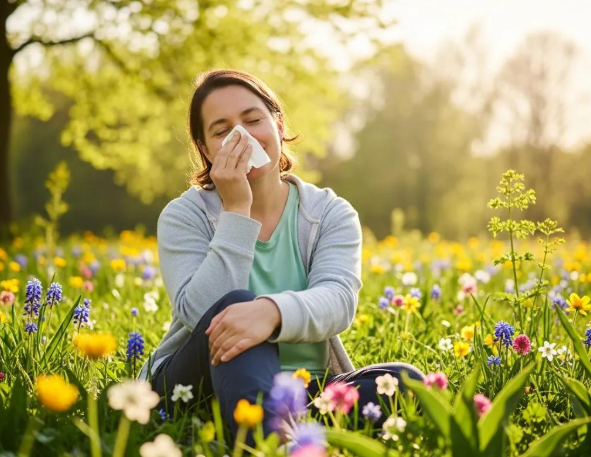
Seasonal allergies, often triggered by environmental factors, manifest through a variety of symptoms that can disrupt daily activities. Common symptoms include sneezing, a runny or stuffy nose, itchy eyes, and fatigue. These symptoms can vary based on individual sensitivities to specific allergens, making it essential to identify personal triggers for effective management. Understanding these symptoms is the first step in developing a strategy to cope with seasonal allergies effectively.
How to Identify and Manage Typical Allergy Symptoms
Identifying and managing allergy symptoms involves a combination of self-awareness and proactive measures. Here are some effective strategies:
-
Use Over-the-Counter Medications: Antihistamines and decongestants can provide quick relief from symptoms.
-
Consult Healthcare Providers: Professional guidance can help tailor treatment plans based on individual needs.
-
Implement Lifestyle Changes: Reducing exposure to allergens, such as staying indoors during high pollen counts, can significantly alleviate symptoms.
By employing these strategies, individuals can better manage their allergy symptoms and improve their overall quality of life.
Which Spring Allergens Trigger These Symptoms?
Several common allergens are responsible for triggering symptoms during the spring season. These include:
-
Pollen: Tree, grass, and weed pollen are significant contributors to seasonal allergies.
-
Mold Spores: Mold can thrive in damp areas, releasing spores that trigger allergic reactions.
-
Dust Mites and Pet Dander: These indoor allergens can exacerbate symptoms, especially in sensitive individuals.
Recognizing these allergens is crucial for effective management and prevention strategies.
How Do Customized Allergy Treatments Improve Seasonal Allergy Relief?
Customized allergy treatments offer significant advantages over standard medications by addressing individual needs. Tailored medications can lead to better symptom management, as they are designed based on specific allergy profiles. This personalized approach not only enhances the effectiveness of treatment but also increases patient satisfaction, as individuals experience relief that is more aligned with their unique sensitivities.
What Are the Benefits of Personalized Allergy Medication Options?
Personalized allergy medications provide several key benefits:
-
Reduced Side Effects: Customized treatments often result in fewer adverse effects compared to standard options.
-
Higher Efficacy: Medications tailored to specific allergens can improve treatment outcomes.
-
Improved Adherence: When patients receive treatments that work effectively for them, they are more likely to stick to their medication plans.
These benefits underscore the importance of personalized approaches in allergy management.
How Do Compounding Pharmacies Provide Tailored Allergy Solutions?
Compounding pharmacies play a vital role in the realm of allergy treatment by creating custom formulations that cater to individual patient needs. These pharmacies can combine multiple medications into a single dose, ensuring that patients receive comprehensive care tailored to their specific allergies. This focus on patient-specific needs allows for a more effective and convenient treatment experience, enhancing overall satisfaction and outcomes.
What Allergy Testing Options Are Available Near Me for Accurate Diagnosis?
Accurate diagnosis is essential for effective allergy management. Various testing options are available, including:
-
Skin Prick Tests: These tests involve exposing the skin to small amounts of allergens to identify sensitivities.
-
Blood Tests for Specific IgE: These tests measure the immune response to specific allergens.
-
Elimination Diets: For food allergies, eliminating suspected allergens from the diet can help identify triggers.
Consulting with healthcare providers can help individuals determine the most appropriate testing method for their needs.
How Does Allergy Testing Inform Customized Treatment Plans?
Allergy testing is crucial in informing customized treatment plans. By identifying specific allergens, healthcare providers can guide medication choices and monitor treatment effectiveness. This targeted approach ensures that patients receive the most appropriate and effective care for their unique allergy profiles, leading to improved outcomes and enhanced quality of life.
Where to Find Reliable Seasonal Allergy Testing Services Locally?
Finding reliable allergy testing services is essential for accurate diagnosis and effective management. Here are some tips for locating local services:
-
Research Local Clinics and Pharmacies: Look for facilities that specialize in allergy testing and treatment.
-
Check for Certifications and Reviews: Ensure that the providers are certified and have positive patient reviews.
-
Consult Healthcare Providers for Recommendations: Your primary care physician can often recommend trusted allergy specialists.
By following these steps, individuals can find reliable testing services to help manage their seasonal allergies effectively.
How Can Immunotherapy and Lifestyle Changes Provide Long-Term Allergy Symptom Management?
Immunotherapy, combined with lifestyle changes, offers a comprehensive approach to long-term allergy symptom management. Immunotherapy works by gradually desensitizing the immune system to specific allergens, leading to reduced symptoms over time. Additionally, lifestyle changes, such as minimizing exposure to allergens and maintaining a clean living environment, can further enhance the effectiveness of treatment. Regular follow-ups with healthcare providers ensure that individuals receive ongoing support and adjustments to their treatment plans as needed.
What Is Allergy Immunotherapy and How Does It Work?
Allergy immunotherapy is a treatment designed to reduce sensitivity to allergens over time. It involves administering gradually increasing doses of allergens to help the immune system build tolerance. This process can lead to long-lasting relief from allergy symptoms, even after treatment has ended. Various types of immunotherapy are available, including subcutaneous injections and sublingual tablets, each with its own expected outcomes and timelines.
The broader field of precision medicine further emphasizes advanced diagnostic tools and the transformative potential of allergen immunotherapy in managing seasonal allergic rhinitis.
Allergic rhinitis (AR) is very commonly caused by pollens. The symptoms of AR consist of sneezing, nasal congestion, rhinorrhea, nasal itching and airflow obstruction. The diagnosis has long been based on clinical history, skin prick tests and in vitro measurement of specific IgE, but the innovative approach of precision medicine has made diagnostic tools of much greater accuracy available.
Which Natural and Lifestyle Remedies Support Allergy Relief?
In addition to medical treatments, several natural and lifestyle remedies can support allergy relief:
-
Herbal Supplements: Certain herbs, such as butterbur and quercetin, may help alleviate symptoms.
-
Dietary Changes: Incorporating anti-inflammatory foods can support overall health and reduce allergy symptoms.
-
Environmental Controls: Keeping windows closed during high pollen seasons and using air purifiers can minimize exposure to allergens.
These remedies can complement traditional treatments, providing a holistic approach to managing seasonal allergies.

Contact Information:
Clemson Apothecare
103 Knox Ln
Clemson, SC 29631
United States
Clemson Apothecare
(864) 654-9120
https://clemsonapothecare.com/
Original Source: https://clemsonapothecare.com/media-room/#/media-room