Tinton Falls Area Homeowners Guided on What Causes Paver Driveway Deterioration
Tinton Falls, United States – March 18, 2026 / Artistic Landscape Features – Tinton Falls /
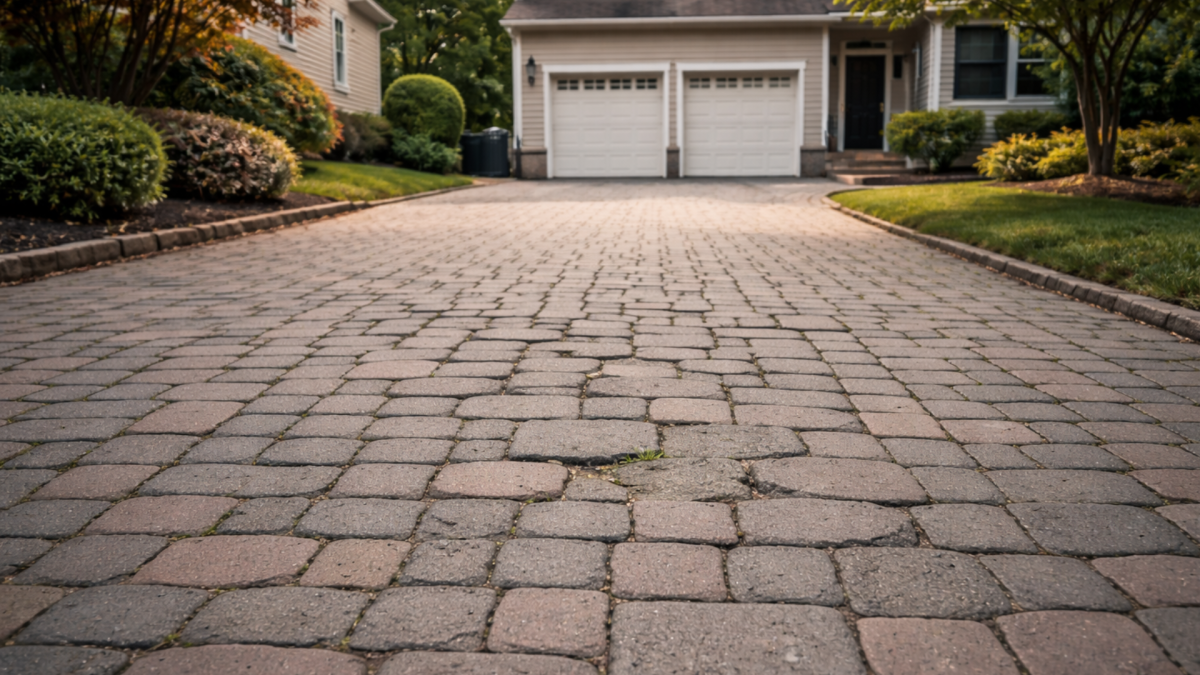
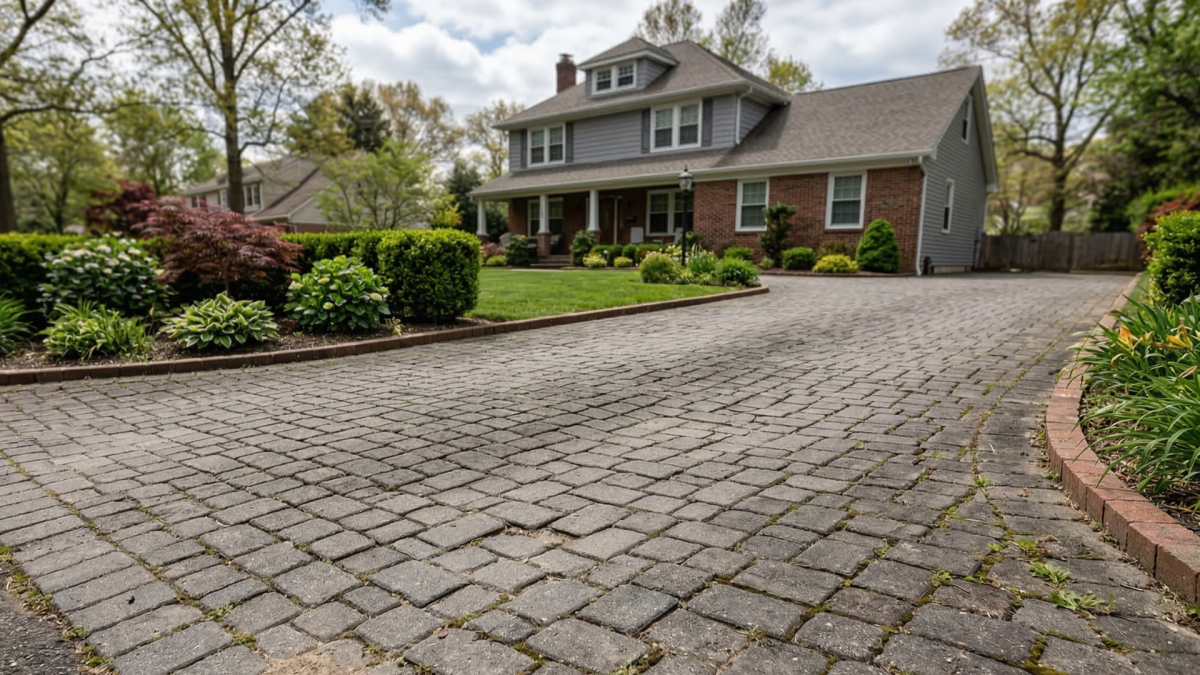
By the time a paver driveway begins to show visible deterioration, shifting pavers, uneven surfaces, or widening joints, the conditions that caused it were established long before the first signs appeared. These outcomes rarely result from isolated incidents or ordinary wear. They trace back to decisions made during the planning and installation phase, decisions about base depth, compaction, drainage integration, and material selection, that determined how the driveway would perform under repeated load and seasonal stress. Artistic Landscape Features has addressed these issues directly in a resource on why paver driveways fail in New Jersey, outlining the root causes behind the most common failure patterns homeowners encounter.
The Installation Decisions That Create Problems Years Later
Paver driveway failures in residential settings follow recognizable patterns, and those patterns almost always connect to how the project was planned and built rather than to the pavers themselves.
Base preparation is the most consequential variable. A paver driveway that will carry vehicle traffic requires a compacted aggregate base of sufficient depth to distribute load across the sub-grade soil below. When that base is inadequate, whether due to insufficient depth, improper material, or incomplete compaction, the pavers above begin to respond to pressure in ways that cannot be reversed through surface maintenance. Sections settle unevenly. Edges drop. The joints that hold the installation together begin to open.
Drainage integration is the second major factor. Water that enters a paver system and has no controlled path for exit will find one on its own. In clay-heavy soils common to Monmouth County and neighboring areas, drainage that is not engineered into the installation from the start tends to accumulate beneath the surface. That moisture softens the base material over successive freeze-thaw cycles, accelerating the settlement that eventually produces visible surface problems.
Joint stability is the third area where installation shortcuts produce long-term consequences. The jointing material between pavers is what holds the system together as a unified surface. When it is applied without proper compaction or allowed to wash out without replacement, the structural integrity of the installation erodes gradually but consistently.
Each of these failure conditions is preventable. Each becomes significantly more difficult and expensive to correct after the fact than to address before installation begins.
How Surface Deterioration Affects Property Function and Appearance
A paver driveway that begins to deteriorate does not remain a cosmetic issue for long. The effects extend to how the surface functions and how the broader property is perceived.
Uneven surfaces become trip hazards. Where pavers have shifted or settled at different elevations, the driveway presents a safety concern for regular foot traffic, particularly at entries and transitions to walkways or garage approaches. Water that previously drained away from the home now channels toward it when grading has shifted along with the surface.
Structural deterioration in one zone also accelerates damage in adjacent areas. As jointing material breaks down and pavers begin to move independently, the load that was previously distributed across a stable surface concentrates around the points of failure. This causes surrounding areas to degrade more quickly than they would have under normal conditions.
For homeowners who invested in a paver driveway as a long-term property improvement, visible deterioration affects property presentation in ways that other maintenance cannot compensate for. A surface that appeared finished and durable at installation but shows settlement and joint loss within a few years signals to visitors and prospective buyers alike that the installation did not hold up as intended.
Repairing a failed paver driveway often involves more than replacing individual pavers. When base failure is the underlying cause, the surface must be removed, the base rebuilt, and the installation reset. This work is substantially more disruptive and costly than the original installation would have been if the base had been prepared correctly.
How Base Evaluation Works Before a Paver Project Begins
Artistic Landscape Features evaluates sub-grade conditions and drainage requirements as part of the planning process for paver driveway projects. This evaluation determines what base depth and composition the site requires, whether drainage corrections are necessary before installation begins, and how grading at the surface level should be configured to direct water away from the structure.
This approach reflects the position that surface-level quality depends entirely on what is built beneath it. The appearance and material quality of pavers are visible at completion. The base and drainage work that support them are not, but they determine how long the surface will hold. Homeowners considering a paver driveway installation can learn more about the company’s planning and installation process at alflandscape.com.
Site Conditions in the Tinton Falls Region That Influence Paver Performance
Properties throughout Monmouth County and the Tinton Falls area include a range of soil types and lot configurations that affect how paver driveways must be engineered. Expansive clay soils that retain moisture through wet seasons require deeper base preparation and deliberate drainage planning to prevent the sub-grade movement that leads to surface failure. Lots with gentle slope transitions at entry points or along property edges require careful grading to prevent water from migrating under the installed surface. Homeowners in this area can review the scope of available installation and planning services through Artistic Landscape Features’ paver driveway services.
How the Company Serves Homeowners Across the Region
Artistic Landscape Features works with homeowners across Tinton Falls, Princeton, Hopewell, Pennington, Robbinsville, and Yardley, PA, among other communities throughout central New Jersey and eastern Pennsylvania. Communication throughout the project process, from initial site assessment through installation completion, is a consistent part of how the company operates. Homeowners researching contractors in the area can review the company’s local service presence and project background through Artistic Landscape Features’ community profile. Written plans and documentation accompany each project, providing homeowners with a clear record of what was planned, specified, and completed.
A Driveway That Holds Up Is One That Was Built to Hold Up
Paver driveway performance over five, ten, or twenty years is not a matter of luck or product quality alone. It is the result of how the installation was planned and executed from the beginning. Driveways that remain stable, retain their appearance, and continue to function without requiring reconstruction share a common foundation, deliberate base preparation, integrated drainage, and proper joint management. Those that begin failing within a few years typically reflect shortcuts in one or more of those areas. For homeowners considering this investment, the questions worth asking before construction begins are the ones that determine whether the finished surface will still look and function as intended years down the road.
Homeowners with questions about paver driveway installation can reach Artistic Landscape Features at (732) 335-7457.

Contact Information:
Artistic Landscape Features – Tinton Falls
44 Apple St
Tinton Falls, FL 07724
United States
Contact Artistic Landscape Features
https://alflandscape.com/tinton-falls-nj/


Original Source: https://alflandscape.com/media-room-tinton/