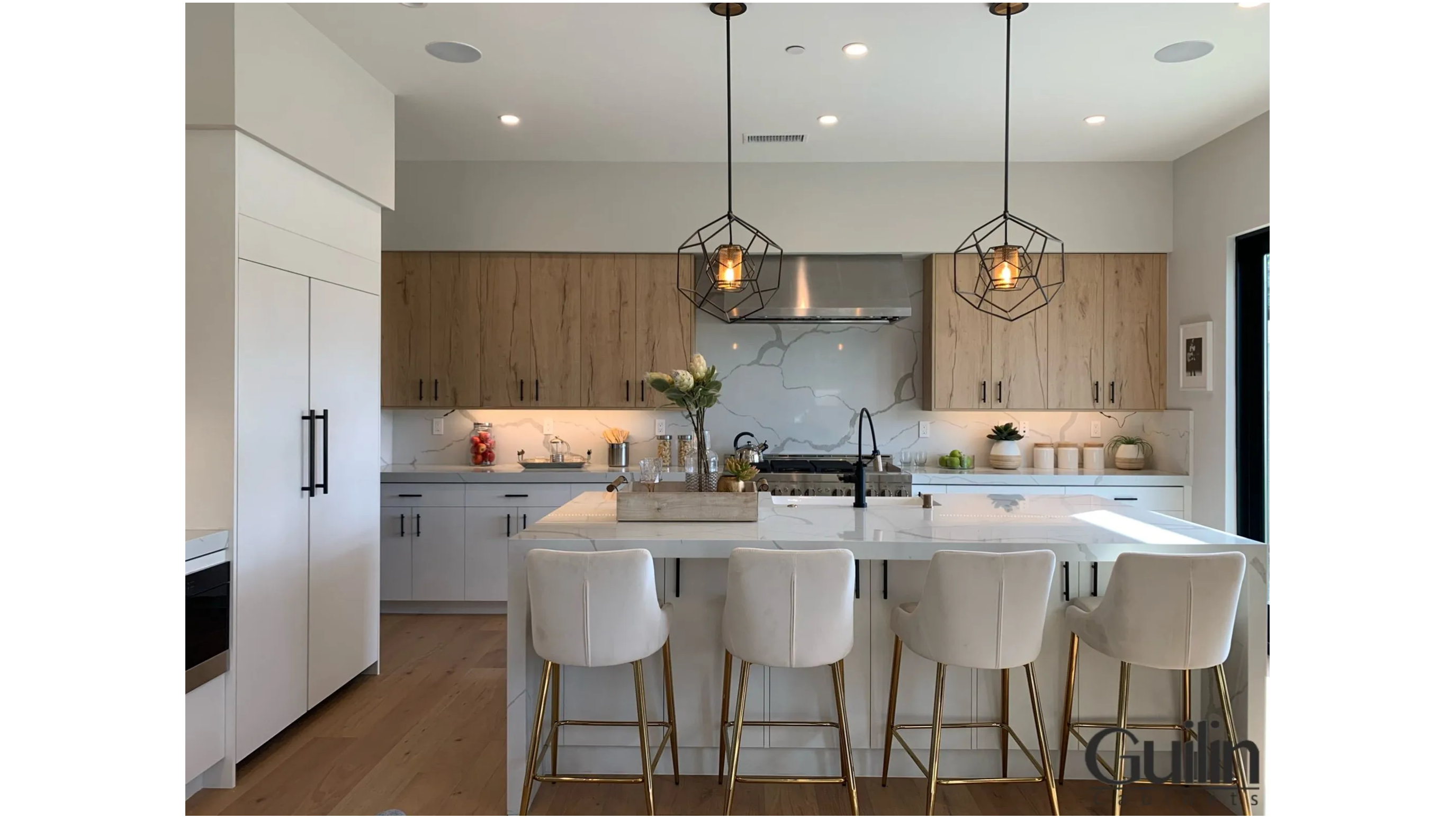
Most homeowners who plan a kitchen remodel are surprised by how much is actually involved once the work begins, and that gap between expectation and reality is exactly where projects go over budget or fall short of the vision.
For anyone weighing kitchen renovation decisions, understanding the full scope before signing anything can save a significant amount of money, time, and frustration. What follows breaks down everything a kitchen remodel typically covers, and a few things most contractors won’t volunteer upfront.
The Part of Remodeling Nobody Warns You About
Most homeowners focus on what they can see — countertops, cabinet finishes, new fixtures — while the work happening behind the walls gets far less attention. Updating your layout may require relocating plumbing lines, and installing taller cabinetry can trigger electrical upgrades that were never part of the original plan. Because each decision in a kitchen remodel connects to another, a change in one area almost always ripples into the next.
Beyond the technical side, there is also the question of what your existing space can actually support. Not every kitchen can handle an open-concept layout or a large island without structural changes, and those changes bring their own costs. Going in without a clear picture of your space’s limitations is how well-intentioned projects become drawn-out, expensive ones.
What a Full Kitchen Remodel Actually Covers
A complete remodel touches nearly every part of the room, not just the surfaces you interact with daily. Most projects include the following core elements:
- Cabinetry: replacing, refacing, or adding custom storage like pull-out racks, pantry units, or ceiling-height cabinets
- Countertops: installing durable materials such as granite, quartz, or marble, often paired with an integrated backsplash
- Flooring: swapping out worn surfaces for moisture-resistant options like tile, hardwood, or luxury vinyl
- Appliances: upgrading to energy-efficient models, with built-in or smart options depending on layout and budget
Lighting, Plumbing, and Electrical — The Unsexy Essentials
These three areas rarely make it into mood boards, but they determine how functional and comfortable your kitchen actually feels. Lighting upgrades typically include task lighting over countertops, under-cabinet LEDs, pendant fixtures over islands, and dimmer controls for flexibility throughout the day. Updated outlets — USB and GFCI types — are increasingly standard and often require new wiring to support them.
Plumbing work usually covers sink upgrades, such as farmhouse or double-basin styles, paired with updated faucets and filtration systems. Ventilation also falls here — range hoods and exhaust systems improve air quality and are often replaced or upgraded during this phase of the project.
Why Layout Decisions Matter More Than Most People Think
Before any materials are selected, the layout deserves careful thought because it shapes how well the finished kitchen actually works. The relationship between the sink, stove, and refrigerator should allow smooth, unobstructed movement between each point. Popular arrangements include L-shaped, U-shaped, galley, and open-concept layouts, and the right fit depends on your home’s footprint and how you realistically use the space.
Dividing the kitchen into dedicated work zones — cooking, prepping, storage, and cleanup — keeps the space organized and easier to navigate, especially when more than one person is in the kitchen at once. Multipurpose islands address several of these needs simultaneously, offering prep space, storage, and seating without requiring a larger footprint overall.
Upgrades That Are Worth Thinking About Early
Some additions offer enough practical value that they are worth factoring into your planning before the budget is finalized, even if you ultimately decide against them:
- Heated flooring for comfort during colder months
- Smart home integration for lighting, appliances, and climate control
- Custom shelving features like lazy Susans or pull-out spice racks
- Designer hardware in finishes like brass, matte black, or polished nickel
What Drives the Cost Up And Why Scope Matters
Project size is the biggest factor in determining cost, but it is not the only one. Smaller remodels typically keep fixtures in their existing locations and use contractor-grade materials throughout. Medium-sized projects step up to mid-grade cabinets, countertops, and plumbing fixtures while keeping the original layout mostly intact. Larger projects introduce the most flexibility — fixtures can be moved, electrical systems updated, and fully custom materials become a realistic option.
Several additions can increase costs beyond the core scope, regardless of project size:
- Moving or adding windows and doors
- Installing custom pantries or additional storage
- Choosing premium appliance brands
- Adding trim work, shiplap walls, or custom flooring details
A well-structured contract should account for all of this — materials, labor, permits, and a contingency buffer of around 10% for anything unexpected that surfaces once demolition begins.
What Good Contractors Actually Do Differently
Execution matters just as much as planning, and the difference between a smooth remodel and a stressful one often comes down to how the contractor communicates. The best ones start with a thorough on-site assessment, present a clearly itemized scope of work, and keep you informed as each phase progresses. Permits, inspections, and subcontractor coordination happen on their end — not yours.
A solid contract will outline each phase from demolition through final cleanup, with payments tied to milestone completions rather than arbitrary dates, which protects you and holds the contractor to a defined timeline.
Ready to Move Forward?
A kitchen remodel rewards careful planning far more than quick decisions. When you’re ready to get a realistic picture of what the process looks like for your specific home, speaking with an experienced local contractor is a practical next step.
PNE Construction LLC
hello@pnepros.com
+1 888 827 6326
115 Oceanport Ave
Ste B
Little Silver
NJ
07739-1229
United States


