How Structured Chiropractic Care Is Changing Recovery Planning in North Vancouver
North Vancouver, Canada – April 21, 2026 / Easy Allied Health – North Vancouver Physiotherapy, Massage Therapy and Chiropractor /
For Immediate Release
North Vancouver, British Columbia — April 21, 2026
Easy Allied Health Introduces Structured Chiropractic Treatment Programs at North Vancouver Location
Easy Allied Health has introduced structured chiropractic treatment programs at its North Vancouver location, reflecting an operational development within the clinic’s approach to musculoskeletal care delivery. The initiative represents a shift toward a more organized, phased model of chiropractic treatment designed to address patient conditions through a structured clinical pathway rather than isolated care sessions.
The introduction of these programs comes amid broader trends in allied health services, where clinics are increasingly adopting integrated and evidence-informed frameworks to improve consistency in patient outcomes. Within this context, Easy Allied Health has aligned its chiropractic services with a structured care model that emphasizes progression through defined stages of assessment, treatment, rehabilitation, and ongoing management.
The structured programs are centered on comprehensive patient assessment, which includes evaluation of spinal alignment, posture, mobility, and functional movement patterns. This diagnostic phase is intended to support clinicians in identifying underlying contributors to pain and dysfunction, rather than focusing solely on symptom presentation.
Following assessment, patients enter a phased treatment pathway that combines chiropractic adjustments with manual therapy techniques and rehabilitative exercises. The program is designed to support gradual improvement in mobility and function while addressing musculoskeletal imbalances that may contribute to recurring discomfort. Conditions commonly managed within this framework include back pain, neck pain, joint stiffness, and sports or occupational injuries.
A representative from Easy Allied Health noted that the structured model reflects a broader clinical objective to improve continuity of care and treatment consistency across patient cases. The statement highlighted a focus on “delivering care through a coordinated and progressive treatment structure that supports long-term functional improvement.”
The North Vancouver clinic’s implementation of structured chiropractic programs aligns with an ongoing evolution in allied health practice, where multidisciplinary approaches and rehabilitation-focused models are becoming more widely adopted. By organizing care into defined stages, the clinic positions chiropractic treatment within a broader clinical strategy aimed at improving both immediate outcomes and long-term musculoskeletal health.

Establishing a Multidisciplinary Foundation in Allied Health Care Delivery
Easy Allied Health operates within a multidisciplinary healthcare framework that integrates chiropractic services with broader rehabilitative and physical medicine practices. The introduction of structured chiropractic treatment programs at the North Vancouver location reflects an internal operational refinement designed to enhance continuity of care across related disciplines. Rather than functioning as an isolated service, chiropractic care is positioned within a coordinated clinical environment that includes rehabilitation-focused treatment planning and functional recovery strategies.
This model is consistent with evolving standards in allied health delivery, where patient care is increasingly organized through collaborative, outcome-driven systems. The clinic’s approach emphasizes communication between practitioners to ensure that assessment findings and treatment progress are aligned across different service areas. This supports a more comprehensive understanding of patient conditions, particularly in cases involving chronic pain, repetitive strain injuries, and postural dysfunction.
By embedding chiropractic services within a multidisciplinary structure, Easy Allied Health aims to support more consistent treatment progression. The model allows for shared clinical insights, which can improve decision-making around rehabilitation planning and long-term patient management. This integrated approach is particularly relevant in urban healthcare environments such as North Vancouver, where patients often present with complex musculoskeletal conditions influenced by occupational and lifestyle factors.
Transitioning Toward Structured Chiropractic Care Pathways
The structured chiropractic treatment programs introduced at the North Vancouver clinic are built on a defined care pathway model that replaces episodic treatment with a staged clinical progression. This approach is designed to guide patients through a consistent sequence of care phases, ensuring that treatment decisions are informed by ongoing assessment and measurable progress.
Unlike traditional chiropractic visits that may focus primarily on immediate symptom relief, the structured model emphasizes continuity and progression. Each patient is placed within a customized care plan that evolves over time based on clinical findings, response to treatment, and functional improvements. This framework allows practitioners to establish clearer treatment objectives and adjust interventions accordingly.
The structured pathway typically begins with a detailed assessment phase, followed by active treatment and corrective rehabilitation. As patients progress, the focus shifts toward strengthening, stabilization, and long-term maintenance strategies. This staged approach is intended to reduce variability in outcomes and support more predictable recovery trajectories.
Within the broader healthcare context, such structured models are increasingly recognized as part of a shift toward evidence-informed practice in musculoskeletal care. By standardizing the flow of treatment, clinics can better evaluate effectiveness and ensure that care delivery remains consistent across patient populations.
Clinical Assessment and Functional Diagnosis Framework
A central component of the structured chiropractic programs is the comprehensive assessment process used at the beginning of care. This evaluation is designed to identify functional limitations, biomechanical imbalances, and potential sources of musculoskeletal pain. It serves as the foundation for developing individualized treatment pathways.
The assessment process includes posture analysis, range of motion testing, spinal evaluation, and movement pattern observation. These components allow clinicians to assess both static alignment and dynamic function, providing a more complete understanding of a patient’s physical condition. Injury history and lifestyle factors are also considered to contextualize clinical findings.
This diagnostic framework is intended to distinguish between symptoms and underlying causes of dysfunction. In many cases, conditions such as back pain, neck tension, and joint stiffness are influenced by long-standing postural habits or repetitive strain patterns. Identifying these contributors early supports more targeted intervention strategies.
The structured assessment process ensures that treatment planning is based on objective clinical findings rather than generalized approaches. This contributes to improved consistency in care delivery and allows for measurable tracking of patient progress throughout the program.
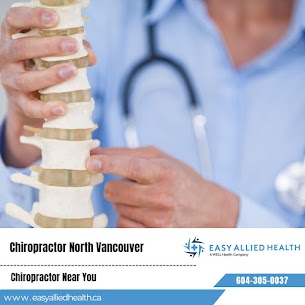
Integrated Chiropractic Treatment Modalities Within Structured Care
Within the structured programs, chiropractic treatment is delivered through a combination of manual techniques and supportive therapeutic interventions. These methods are selected based on individual patient assessments and are intended to address both acute symptoms and underlying mechanical dysfunctions.
Treatment may include spinal adjustments, joint mobilization, and soft tissue therapy techniques aimed at improving mobility and reducing musculoskeletal tension. These interventions are applied in a controlled and progressive manner, aligned with the patient’s stage within the care pathway.
The structured model also incorporates rehabilitative exercises designed to reinforce treatment outcomes. These exercises focus on improving flexibility, strength, and postural stability, helping to support long-term functional improvement. In many cases, corrective movement training is used to address compensatory patterns that contribute to recurring discomfort.
By combining manual therapy with rehabilitation-based care, the program reflects a broader trend in musculoskeletal health toward integrated treatment models. This approach allows chiropractic care to extend beyond symptom management and contribute to functional restoration within a structured clinical framework.
Progressive Rehabilitation and Functional Recovery Planning
Rehabilitation within the structured chiropractic programs is designed as a progressive component of care that follows initial treatment phases. The goal is to support functional recovery through targeted exercise and movement retraining that addresses underlying biomechanical issues.
Patients transition into rehabilitation once acute symptoms have been managed and mobility has improved. This phase emphasizes strengthening stabilizing muscle groups, improving joint function, and restoring balanced movement patterns. Exercises are tailored to individual needs based on clinical assessment findings.
Corrective rehabilitation is also focused on reducing the likelihood of reinjury by addressing movement inefficiencies. This includes retraining posture, improving core stability, and enhancing coordination during daily activities. The structured progression ensures that rehabilitation is not static but evolves as the patient’s condition improves.
This phase of care reflects a shift toward active recovery models in allied health practice. Rather than relying solely on passive treatment, patients are engaged in structured movement-based interventions that support long-term musculoskeletal health and functional resilience.
Conditions Addressed Within Structured Chiropractic Frameworks
The structured chiropractic programs at the North Vancouver location are designed to address a wide range of musculoskeletal conditions commonly seen in clinical practice. These include both acute injuries and chronic dysfunctions that affect mobility and quality of life.
Common conditions managed within the program include back pain, neck pain, sciatica, joint stiffness, and headaches associated with spinal tension. The program also supports individuals recovering from sports-related injuries and workplace strain, which are frequently associated with repetitive movement patterns and postural stress.
In addition to symptom-based conditions, the structured model also addresses functional issues such as postural imbalance and reduced mobility. These conditions are often gradual in onset and may contribute to long-term discomfort if left untreated.
By incorporating both injury-specific and function-based care, the structured chiropractic framework supports a broader clinical objective of restoring movement efficiency and reducing recurrence risk. This approach reflects an emphasis on addressing musculoskeletal health from both a corrective and preventive standpoint within a unified treatment system.

About Easy Allied Health
Easy Allied Health is a multidisciplinary healthcare clinic based in North Vancouver, British Columbia, offering integrated services in physiotherapy, massage therapy, active rehabilitation, chiropractic care, and acupuncture. The clinic operates with a coordinated care model that brings together multiple health disciplines to support patient recovery, mobility improvement, and long-term physical wellness.
Located at 1256 Marine Dr, North Vancouver, BC V7P 1T2, Canada, Easy Allied Health focuses on delivering accessible and collaborative care designed to help individuals regain and maintain independence in their daily lives. The clinic emphasizes efficient, patient-centered treatment planning supported by a team of qualified health professionals working in an integrated environment.
In addition to in-clinic services, Easy Allied Health also provides in-home visit options for individuals who are unable to travel, ensuring continuity of care across different patient needs and mobility levels. The organization is committed to supporting the North Vancouver community through accessible, evidence-informed healthcare solutions aimed at improving overall quality of life.
Media Contact
Easy Allied Health
Address: 1256 Marine Dr, North Vancouver, BC V7P 1T2, Canada
Phone: +1 604-305-0037
Email: info@easyalliedhealth.ca


Contact Information:
Easy Allied Health – North Vancouver Physiotherapy, Massage Therapy and Chiropractor
1256 Marine Dr
North Vancouver, BC V7P 1T2
Canada
Armin Ghayyur
+1 604-305-0037
https://easyalliedhealth.ca/


Original Source: https://easyalliedhealth.ca/media-page-north-vancouver/


